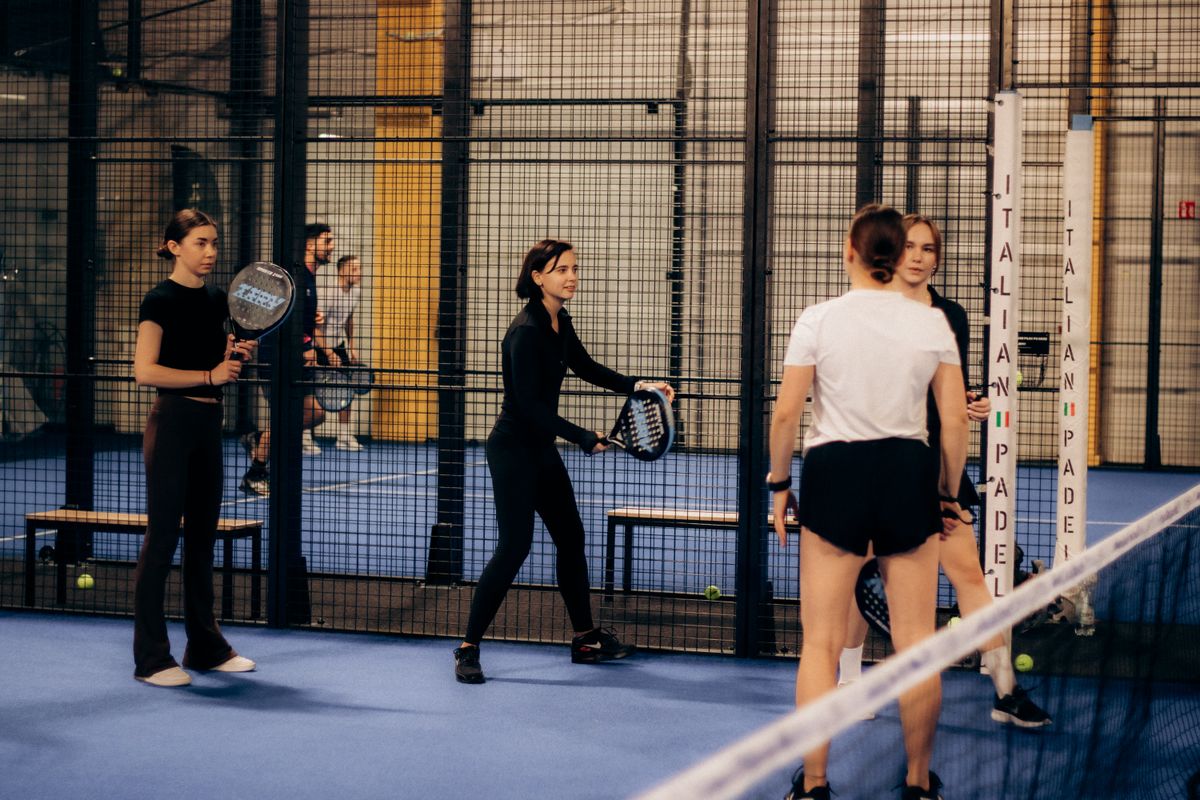
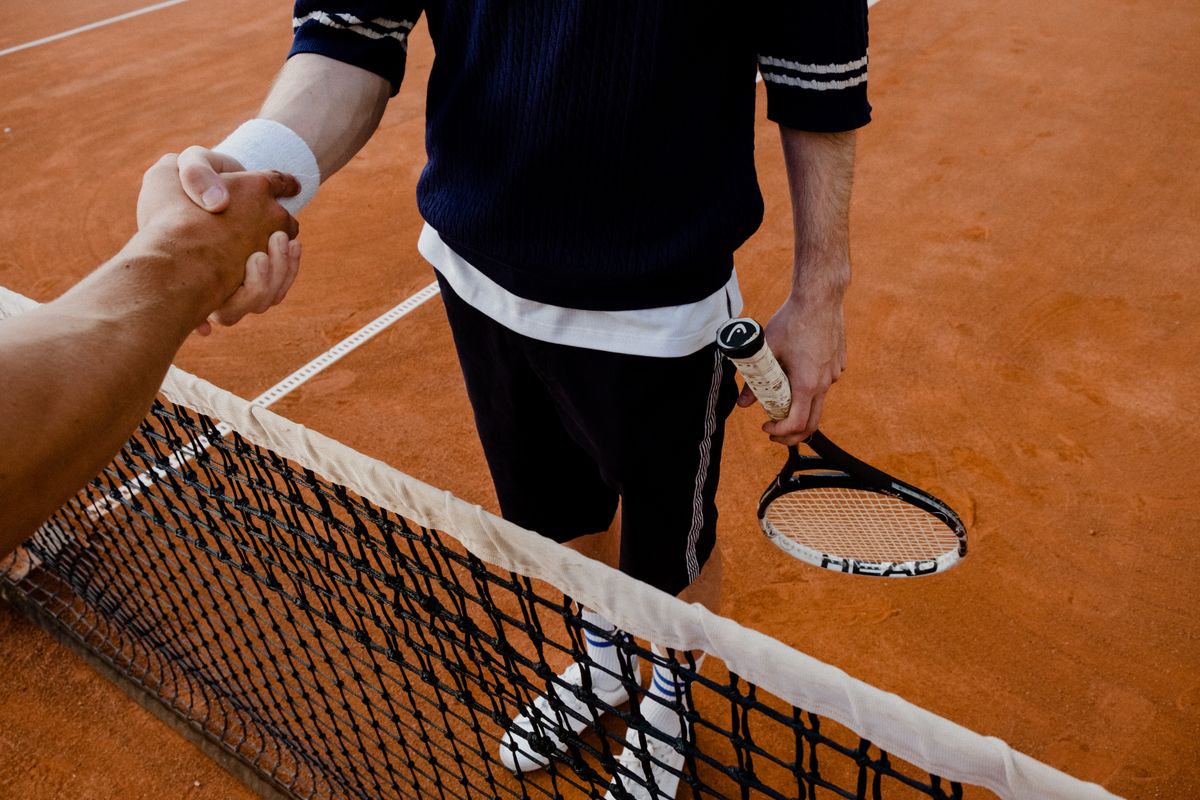
Racket sports have been going through a remarkable transformation in recent years. Tennis, once thought to appeal to a limited audience, keeps growing in popularity, while padel, with its dynamic and social character, has become a global phenomenon. According to International Tennis Federation (ITF) data, there are more than 100 million active tennis players worldwide. Similarly, International Padel Federation (FIP) reports show that the number of people playing padel has passed 40 million and that the sport's infrastructure grows at double-digit rates every year.
But this huge interest in court sports brings a chronic problem with it: finding the right partner to play with. You may have bought a new racket, booked a court or be eagerly waiting for the weekend to play. Yet your friends' busy work schedules, clashing calendars or, above all, mismatched levels can leave your enthusiasm hanging. In padel, which is played by four people, filling the missing spot can sometimes be more tiring than the match itself.
This is exactly where sports technology steps in. As of 2026, mobile partner-finding apps offering AI-powered algorithms, level verification systems and location-based matching have started to dominate the sector. But do these digital solutions you download to your smartphone deliver what they promise in a real court experience? Do partner-finding apps really work, or do they only bring disappointment and wasted time? In this comprehensive guide, we look at the question from every angle.
Why Do Traditional Ways of Finding a Partner Fall Short?
To understand why partner-finding apps emerged, you need to see where the traditional methods get stuck. The classic channels players have relied on for years had clear limitations:
Classic channels
- WhatsApp and Social Media Groups: Messaging groups with hundreds of members seem sensible at first, but they quickly turn into notification overload. Messages get lost fast, there is no clear level criterion and organising depends on one person's initiative, all of which slows things down.
- Club Boards and Reception Lists: Club notices or putting your name down with club staff is a fairly passive and narrow method. It only puts you in touch with the limited group of people who are members of a particular club.
- Close Friends: Playing with people you like is fun, but not everyone is free at the same time. What's more, your friends' level may not develop at the same pace as yours. If one of you wants to work up a sweat learning the basic strokes while the other is after competitive matches, neither of you gets much out of the game.
Medical studies published by Harvard Health Publishing in particular stress the importance of a brisk, uninterrupted and balanced rally rhythm for racket sports to deliver the maximum benefit to the cardiovascular system and mental health. In matches with a level mismatch, play stops often, the rhythm is lost and the physical benefit of the sport drops sharply.
How Do Mobile Partner-Finding Apps Work?
Today's sports apps in 2026 have gone far beyond being simple message boards. These platforms use advanced algorithms and sports technology solutions to perfect the user experience.
Dynamic Level and Rating Systems
The biggest problem with older systems was that users overstated or understated their own ability. Current platforms use dynamic rating mechanisms similar to the Elo system in chess. When you enter a match result and your opponent confirms it, your rating is updated instantly based on the current level of the player you beat or lost to. So after a few matches, everyone settles automatically at their real performance level.
Location-Based Matching (Geofencing)
Apps list the courts within the radius you set, and open match posts nearby, on a map. Since traffic is a major obstacle in big cities such as Istanbul, Ankara or İzmir, being able to filter players right in your area cuts the time it takes to set up a match down to minutes.
Reliability Scores and Cancellation Tracking
The biggest nightmare of amateur sports organising is last-minute cancellations. Advanced apps show players' match attendance history on their profiles as a transparent reliability percentage. Users who fail to turn up at the last minute without reason, or who keep cancelling bookings, have their visibility restricted, which keeps the player pool reliable.
Do Partner-Finding Apps Really Work?
The most honest answer to this question: yes, but only when used with the right expectations and the right approach. Let's take a closer look at the concrete gains players get from these apps and the obstacles they run into.
1. Matching Speed and Flexibility
A padel match that would normally take weeks of planning can be organised for the same evening thanks to an active app. By joining the app's "open match" pools, you get the luxury of stepping onto a court with three people you don't know and playing a full match.
2. A Wider Social Circle
Sports technology is not just a matching tool but also an organic community builder. Meeting people from different professions who share the same passion for the sport opens the door to new friendships and professional connections off the court as well.
3. A Higher Level of Competition
Always playing with the same group of friends leads to tactical blind spots after a while. Facing opponents with different playing styles, different serve angles and different tempo habits improves your game quickly. Indeed, sports medicine publications from the National Institutes of Health (NIH) show that a variable-tempo competitive environment, which triggers a range of motor skills and adaptive reflexes, increases both physical endurance and cognitive focus in athletes.
What Challenges Do Players Face?
The success of these apps depends largely on the "network effect". If there aren't enough users in your city or neighbourhood, the match posts you open may go unanswered. While a match can be found within minutes in big cities, the process can be slower in smaller places where racket sports infrastructure is still developing. And, though rarely, new users who set their level wrongly at the start can cause an unbalanced rhythm in the first few matches.
Traditional Methods vs Digital Platforms
The table below summarises the main operational differences between traditional methods and modern mobile matching solutions for organising court time:
Comparison of traditional methods and mobile partner-finding apps| Criterion | Traditional Methods (WhatsApp / Club) | Mobile Partner-Finding Apps |
|---|
| Matching Speed | Slow (messages that go on for hours or days) | Very Fast (joining an open match within minutes) |
|---|
| Level Balance | Random (based on self-reports, misleading) | High (dynamic algorithm and confirmed match scores) |
|---|
| Cancellations and Reliability | Low (no enforcement mechanism) | Controlled (trust score, reviews and restrictions) |
|---|
| Player Pool | Limited (existing friends or members of the same club) | Wide (thousands of active racket players across the city) |
|---|
| Court Integration | Manual (calling or going to the club) | Automatic (court linked instantly with the match) |
|---|
How to Get the Most Out of the Apps
There are a few basic strategies to keep in mind so that you avoid disappointment and land the best matches when using partner-finding apps:
To get the most out of it
- Set Your Level Honestly: Making yourself look more advanced than you are when you first set up your profile spoils the fun for both you and your partner on court. Starting with a modest rating and rising naturally as you win matches always makes for a more satisfying experience.
- Fill In Your Profile Completely: Add short notes on your playing hand, your style (aggressive, defensive, rally-focused) and the court types you prefer (clay, hard, glass-walled padel court and so on). Clear profiles always get match approvals faster.
- Agree on Court Fees and Balls in Advance: Before the match, quickly confirm in the in-app chat how the court fee will be split and who will bring the balls. This simple step heads off small frictions on court entirely.
- Don't Skip Post-Match Reviews: Entering the score after the match and giving your opponent a sportsmanship rating keeps the system healthy. The more you contribute to the ecosystem, the better your chances of meeting quality partners.
Looking Ahead: What Awaits Us in 2026 and Beyond?
Sports technology keeps evolving. As of 2026, smartwatches and wearable sensors have started working directly with partner-finding apps. Your time on court, heart rate, swing speed and rally lengths are analysed automatically and reflected in your player profile. In future, then, level assessment will rest not on people's own claims but on real biometric and kinetic data from the court.
On top of that, AI assistants can look at your playing history, predict the partners whose style best matches yours (for example, a strong right-handed partner at the net next to a left-handed padel player) and make suggestions directly.
Conclusion: A New Era in Racket Sports
In short, tennis and padel partner-finding apps definitely work in today's conditions. For many sports lovers, they have even become the indispensable main tool for keeping up a weekly training rhythm and getting on court regularly.
Of course, no software can guarantee the human factor and sporting ethics on court on its own. But combined with good profiles, mutual respect and an honest level, these platforms easily solve the "time, place and partner" equation that stands in players' way. If you want to take the racket waiting in your bag out of its cover and get back on court, now is the time to give digital sports communities a chance.
WITH RACKET CRUSH
Open your own match instead of waiting
Download it free → set your level for each sport → see players near you on Discover, or open a singles or doubles open match → approve the applicants yourself → after the match one side enters the score and the other confirms it.
Download the appFrequently Asked Questions
- How do partner-finding apps keep users safe?
- Most platforms use phone verification, social media account integration and user rating systems. Being able to report users to the platform when they don't turn up or behave inappropriately also means malicious profiles are weeded out quickly.
- Is it easier to find a partner for padel than for tennis?
- Since padel is usually played by four people, you may need to find three others for a single match, which can look hard at first. But because the padel community is so dynamic and social, open matches usually fill up very quickly. Tennis, on the other hand, only needs one right partner for a one-on-one singles match.
- Can beginners use these apps comfortably?
- Absolutely. The apps are not only for advanced competitive players but are also ideal for beginners who are just learning the basic strokes and want to practise. The important thing is to state clearly on your profile that you are a beginner.
- Can you book courts through these platforms?
- Yes, most modern sports apps don't just match players; they also list available court times at partner clubs directly and let you book together with the partner you've matched with.